24時間365日サポート — いつでもお客様をサポートいたします。
お問い合わせAerospace & Defense

52 ProductsAerospace and Defense
47 ProductsAgriculture
126 ProductsAutomotive & Transportation
389 ProductsChemicals & Advanced Materials
526 ProductsConsumer Goods & Retail
392 ProductsElectronics & Semiconductors
345 ProductsEnergy & Environment
138 ProductsFood & Beverages
444 ProductsHealthcare & Life Sciences
1603 ProductsIT & Communications
751 ProductsMachinery & Industrial Equipment
298 ProductsService industry
487 Products市場調査レポート
Filter
Showing 1765–1776 of 5523 results
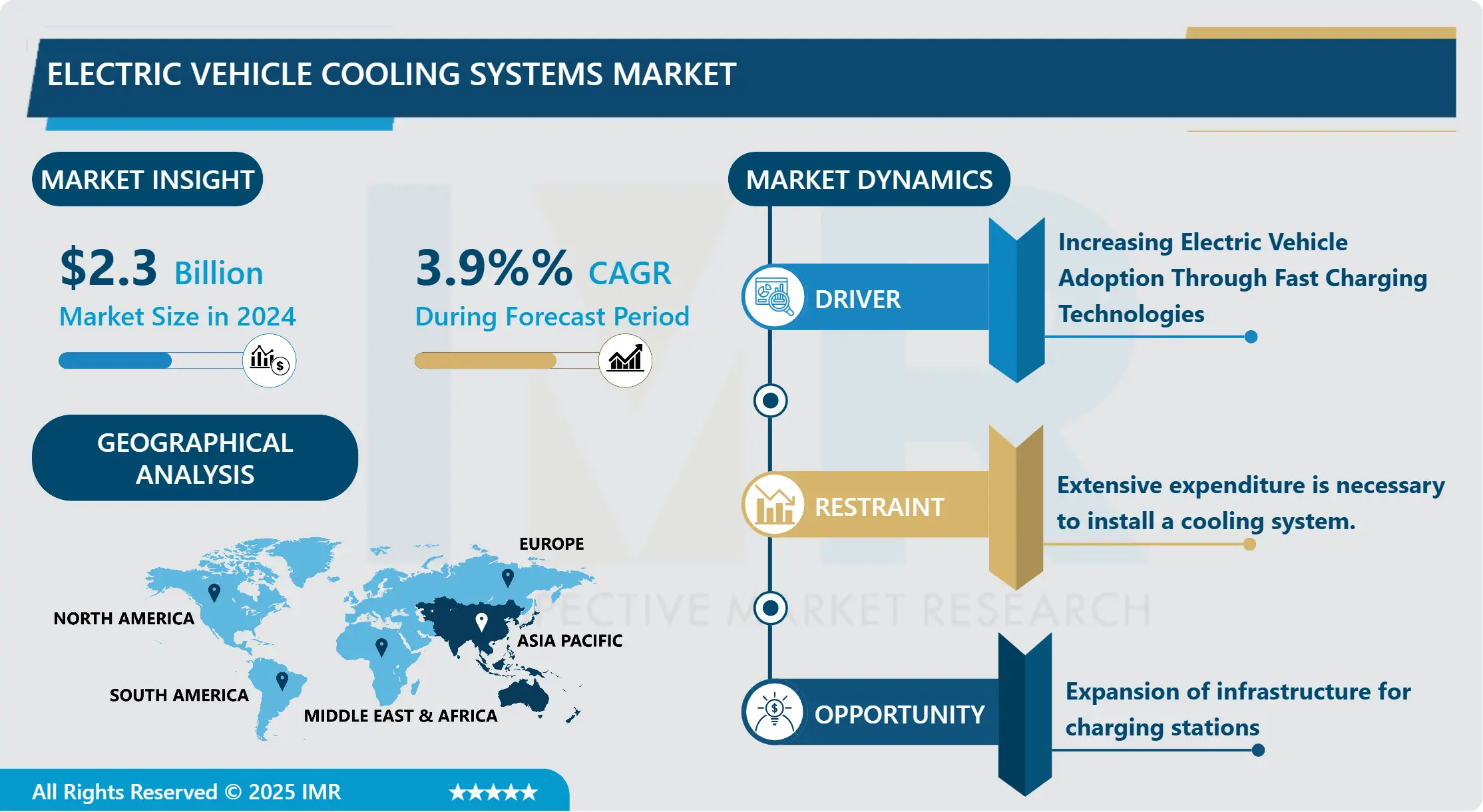
The system responsible for regulating the temperature of the electric vehicle's battery is the refrigeration system. Electric vehicles rely on rechargeable batteries for propulsion. In electric vehicles, batteries produce thermal energy while supplying power to the actuators; therefore, a thermal management system is necessary to regulate the battery's temperature. As an example of a thermal management system, the battery cooling system regulates the temperature of the battery and other electronic components in electric vehicles.
Publication Date: 01/11/2025
Pages: 400
Publisher: IMR
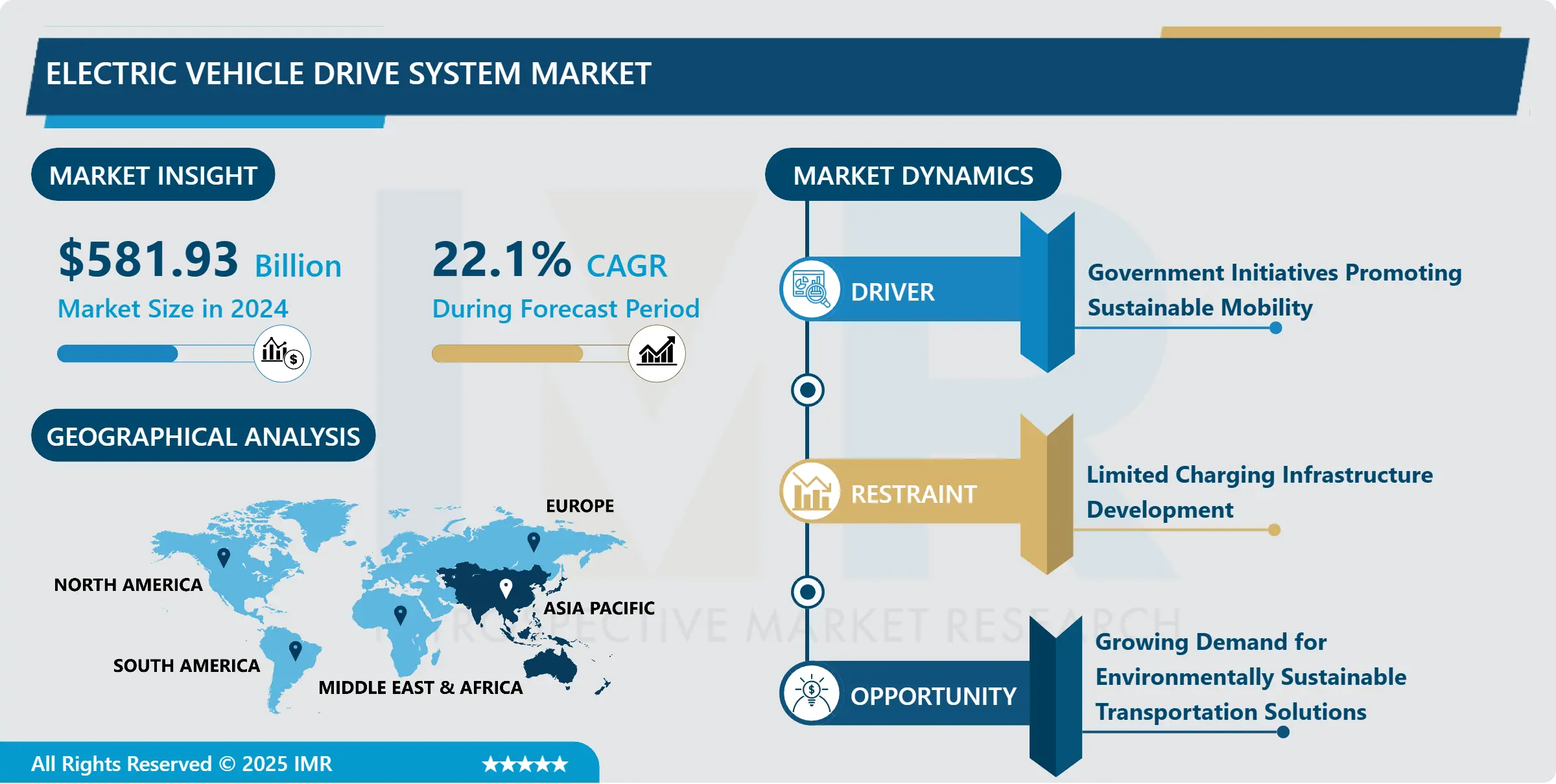
The drive system of an electric vehicle in which converts electrical energy into mechanical energy from the power supply system or from a battery and transmits the resulting force into motion. sThis system includes an inverter, electric motor, boosts converter, and onboard charger and is an important component of the hybrid and plug-in electric vehicles (PEV) propulsion systems. The drive system is the key system of the battery-electric vehicle. The drive system components including stators, rotors, and electronic controllers, can be designed and made in such a way that they can be included in the unique drivetrain design of a customer.
Publication Date: 01/11/2025
Pages: 400
Publisher: IMR
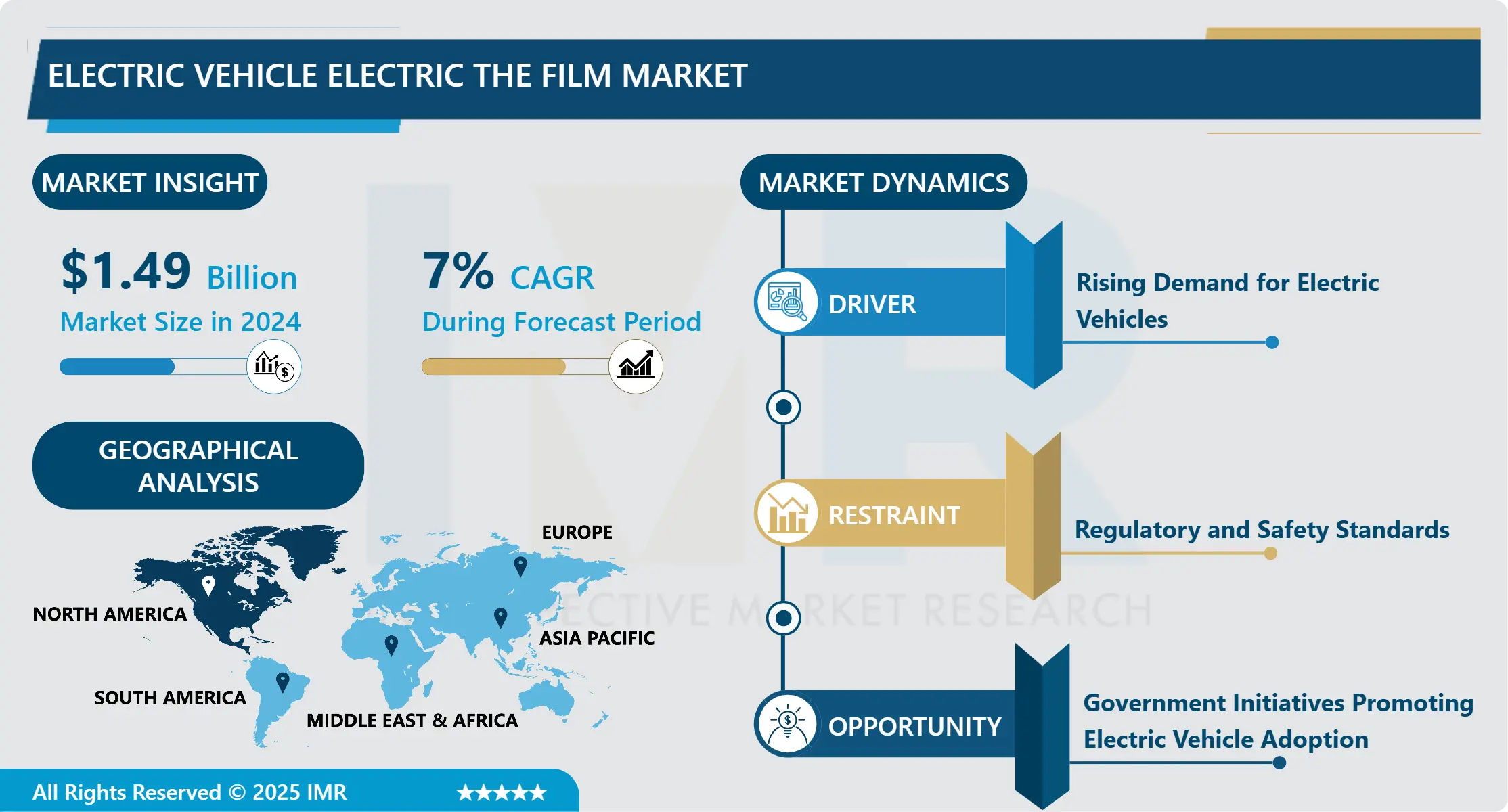
In the automobile industry, thick film technology is well-established for high reliability circuitry, difficult sensor applications, and robust passive component requirements. Thick film materials are once more in demand as electric vehicles (EV) and battery management systems (BMS) develop. Compared to present internal combustion engine (ICE) vehicles, electronic content per vehicle is doubling and tripling, and this will increase depending on the degree of driving autonomy.
Publication Date: 01/11/2025
Pages: 400
Publisher: IMR
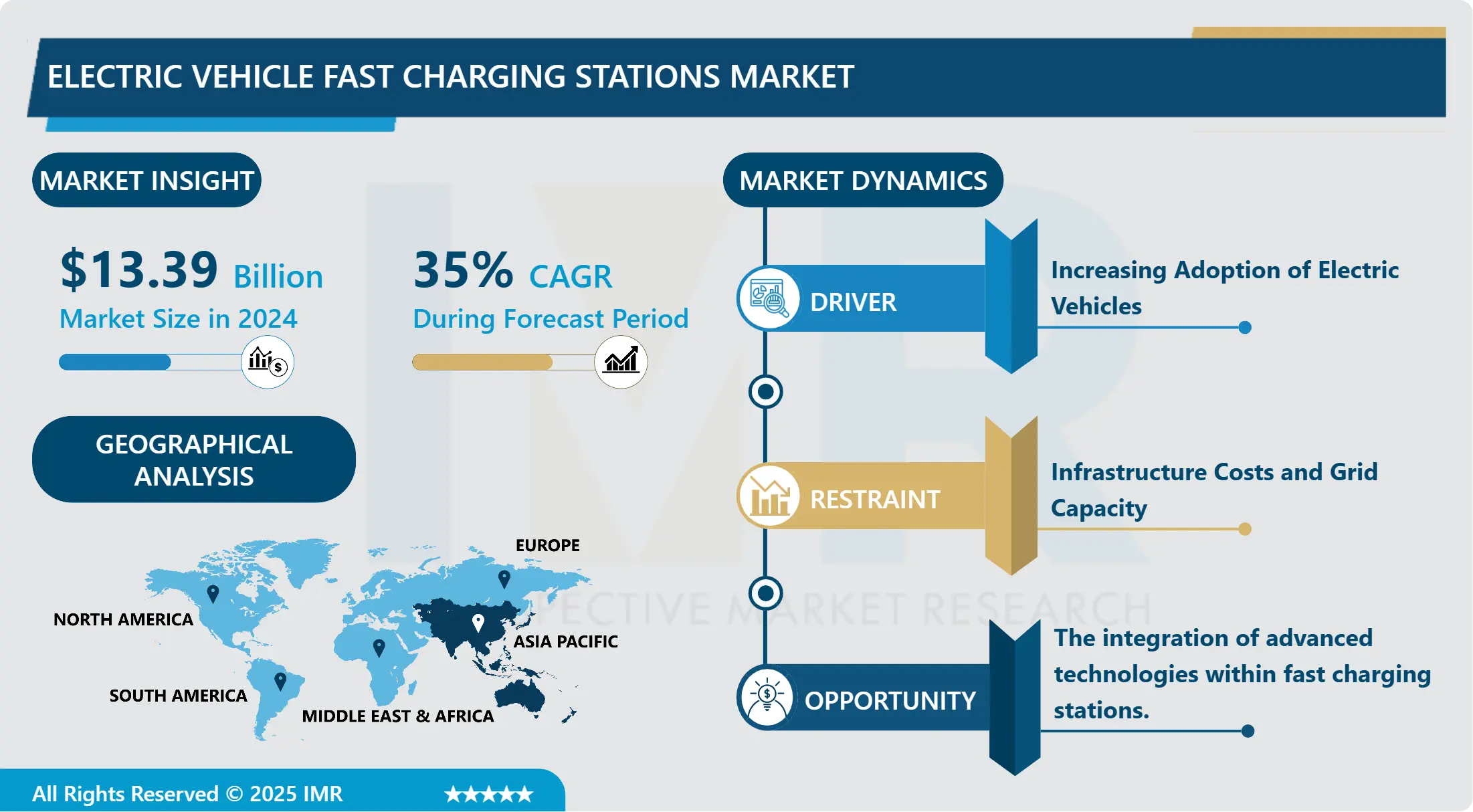
The electric vehicle fast charging station is a device used as a source of electricity that connects to an electric vehicle. The charging station also referred to as a charge point or electric vehicle supply equipment is used to supply electric power to an electric vehicle. The adoption of electric vehicles has become necessary due to the increase in carbon emissions and other dangerous pollutants from transportation. As a result, infrastructure for electric vehicle charging is becoming increasingly necessary in both commercial and residential settings. A subscription model and more manufacturer cooperation for charging infrastructure are further factors that support the market growth.
Publication Date: 01/11/2025
Pages: 400
Publisher: IMR
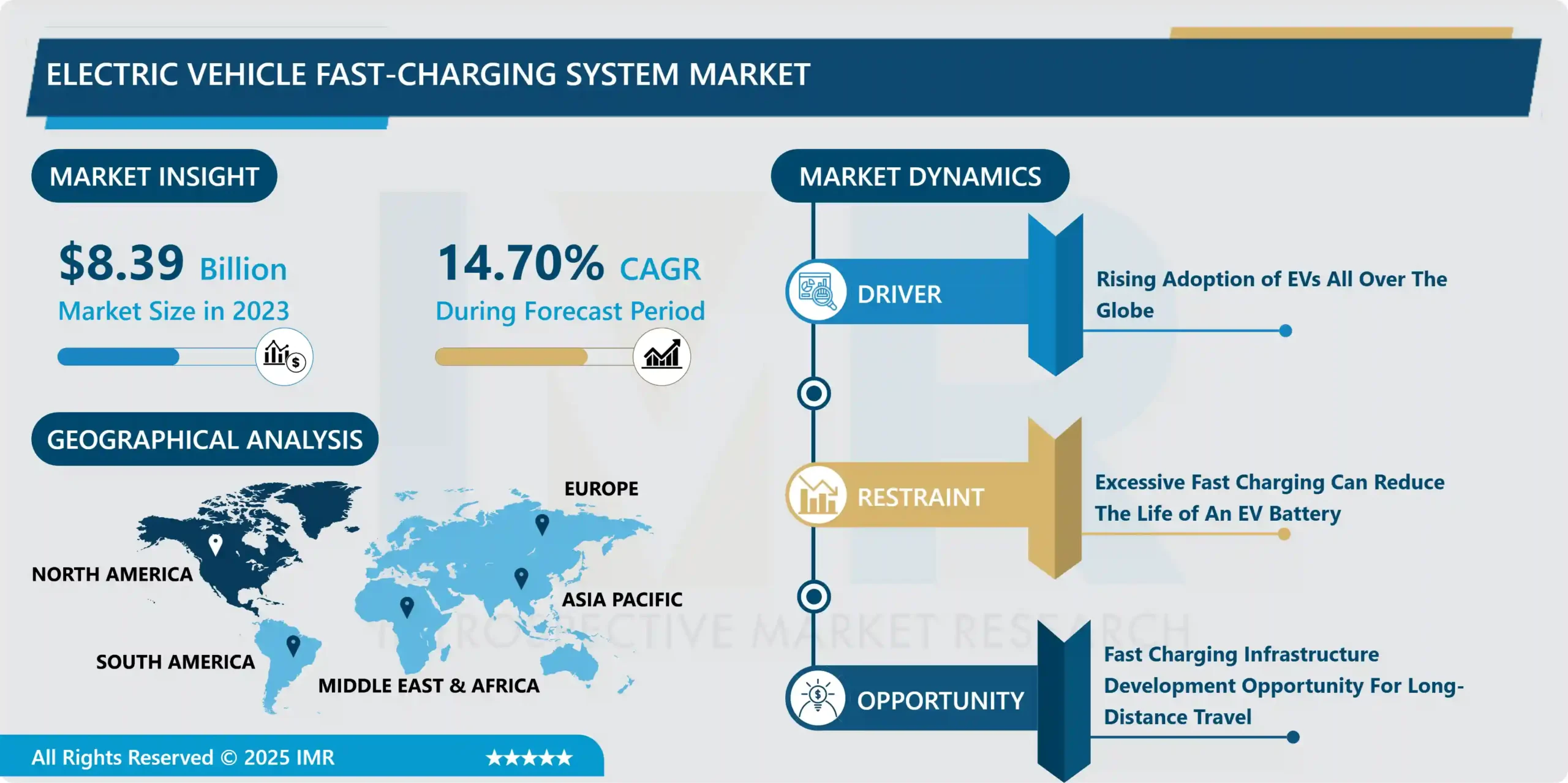
Fast charging systems for electric vehicles are becoming increasingly important to facilitate the transition to zero-emission mobility. The dominant fast charging power for passenger vehicles was 50 kW, while the most recent systems enable charging at speeds of at least 175 kW or even 350 kW. In commercial and logistic fleets, even higher fast charging rates are applied (up to 1 MW)—such as for buses and heavy-duty trucks.
Publication Date: 11/01/2025
Pages: 400
Publisher: IMR
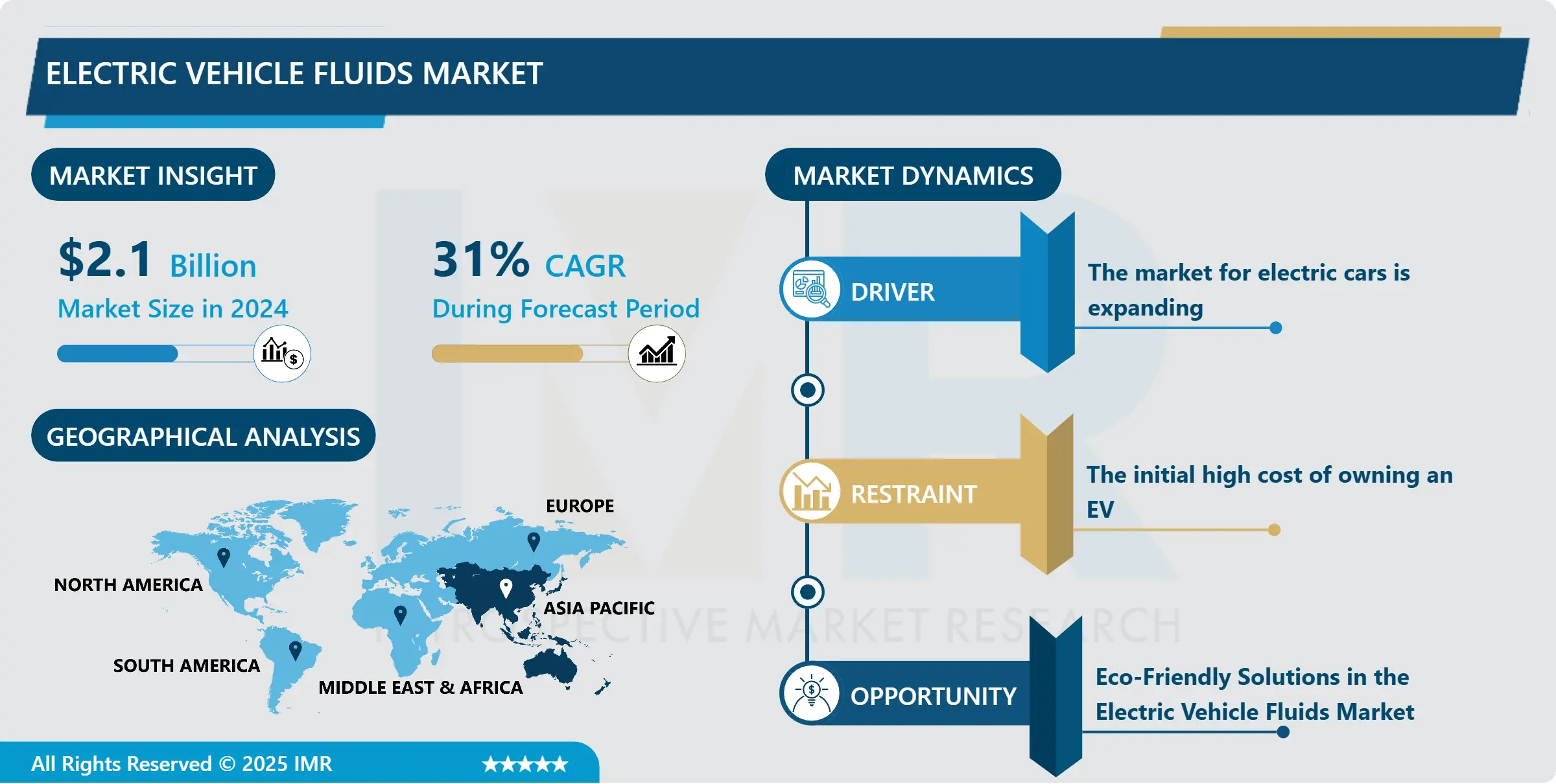
Electric Vehicle Fluids refer to the various types of liquids and lubricants used in electric vehicles (EVs) to ensure their proper functioning and efficiency. Unlike traditional internal combustion engine vehicles that rely heavily on fossil fuels and have complex fluid systems, electric vehicles have a simpler but crucial set of fluids that play key roles in maintaining their performance, safety, and longevity.
Publication Date: 01/11/2025
Pages: 400
Publisher: IMR
The electric-powered automobile (EV) warmness exchanger regulates the temperature of crucial additives such as the battery cell, electric-powered motor, and electricity electronics. It is a vital element of the thermal control gadget in EVs. By enabling the dissipation of surplus warmness far from these components, it guarantees the upkeep of perfect working temperatures, for this reason ensuring capability, effectiveness, and protection. In standard, electric vehicle warmness exchangers hire coolant fluids or air to take in warmness from the electric gadget components and in the end release it into the encompassing surroundings. This procedure serves to avert overheating and extend the operational longevity of the EV.
Publication Date: 01/11/2025
Pages: 400
Publisher: IMR
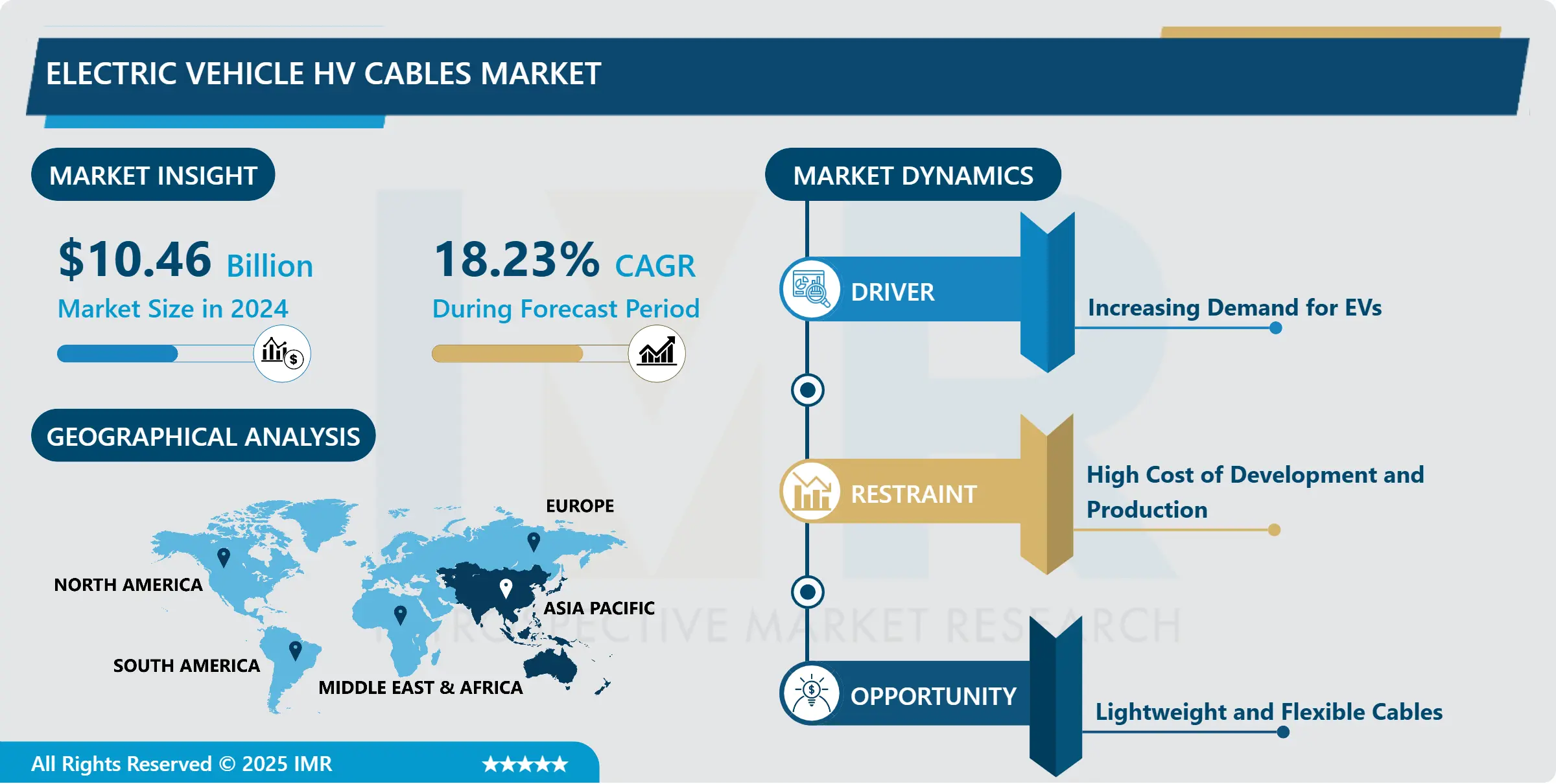
The high-voltage electrical system of electric vehicles is primarily in charge of providing electricity for driving, starting, charging and discharging, and air conditioning. It primarily consists of the battery system, powertrain, charging system, high-voltage electronic control system, high-voltage equipment, and its wiring harness system. High-voltage lines are used in electric vehicles to transmit power between the charging port and the battery, the battery's interior, the battery and the engine, and other parts, as well as the battery energy storage equipment and other domains.
Publication Date: 01/11/2025
Pages: 400
Publisher: IMR
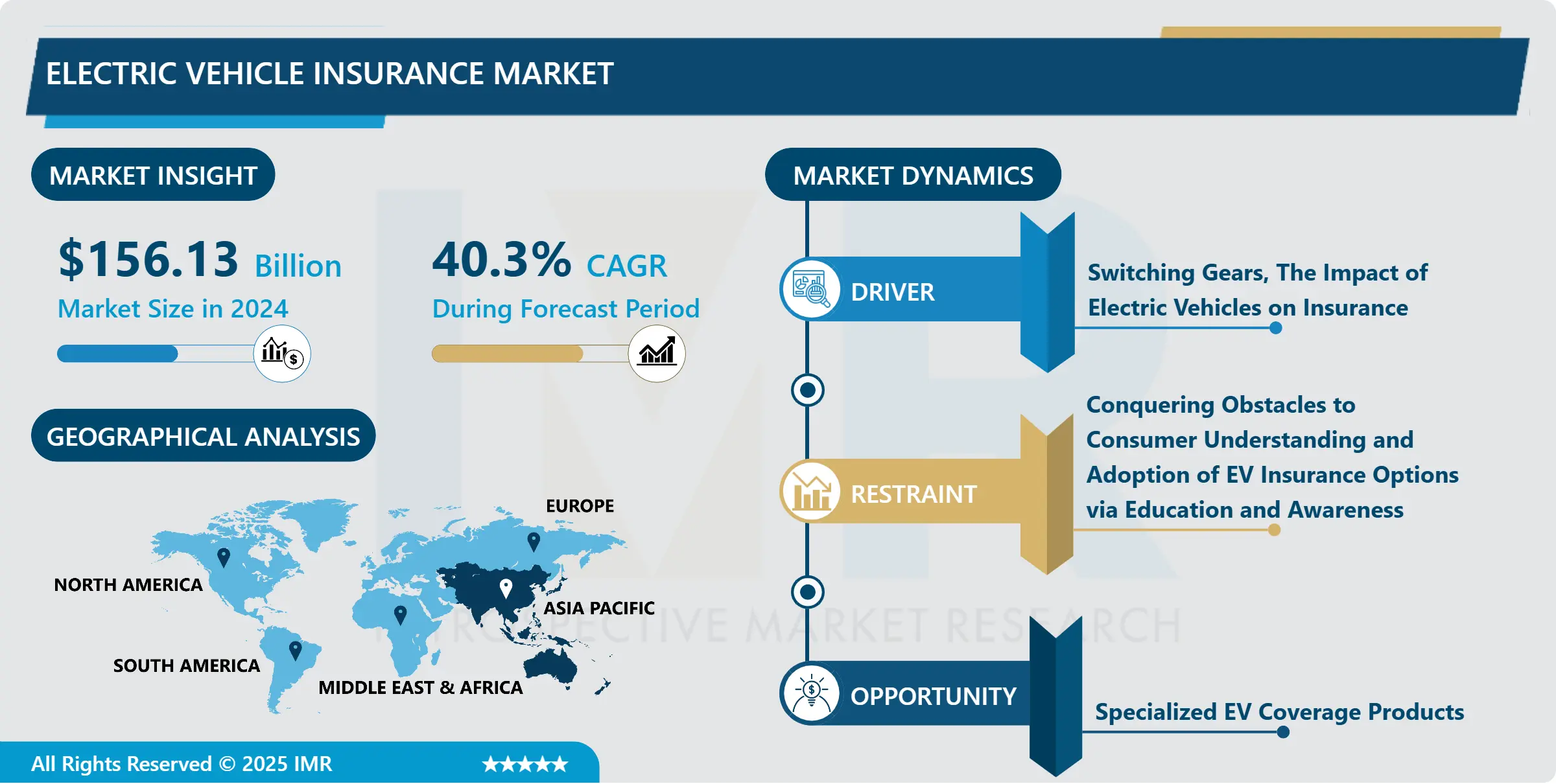
The EV insurance niche caters to the unique needs of EV owners. It covers the expensive-to-repair or replace components like high voltage systems and batteries. Some policies also cover charging devices and address issues like range anxiety. Insurers may offer discounts or usage-based insurance to owners of electric vehicles. With the increased demand for EVs comes more opportunities to get insurance for these vehicles.
Publication Date: 01/11/2025
Pages: 400
Publisher: IMR
Electric Vehicle (EV) is a class of automobile driven by one or multiple electric motors, making energy from stored electricity in sources such as batteries, fuel cells, or other energy reservoirs. In variation to conventional vehicles powered by internal combustion engines that rely on fossil fuels, electric vehicles employ electricity to generate motion, leading to reduced emissions and a lessened environmental footprint, the electricity originates from renewable sources.
Publication Date: 01/11/2025
Pages: 400
Publisher: IMR
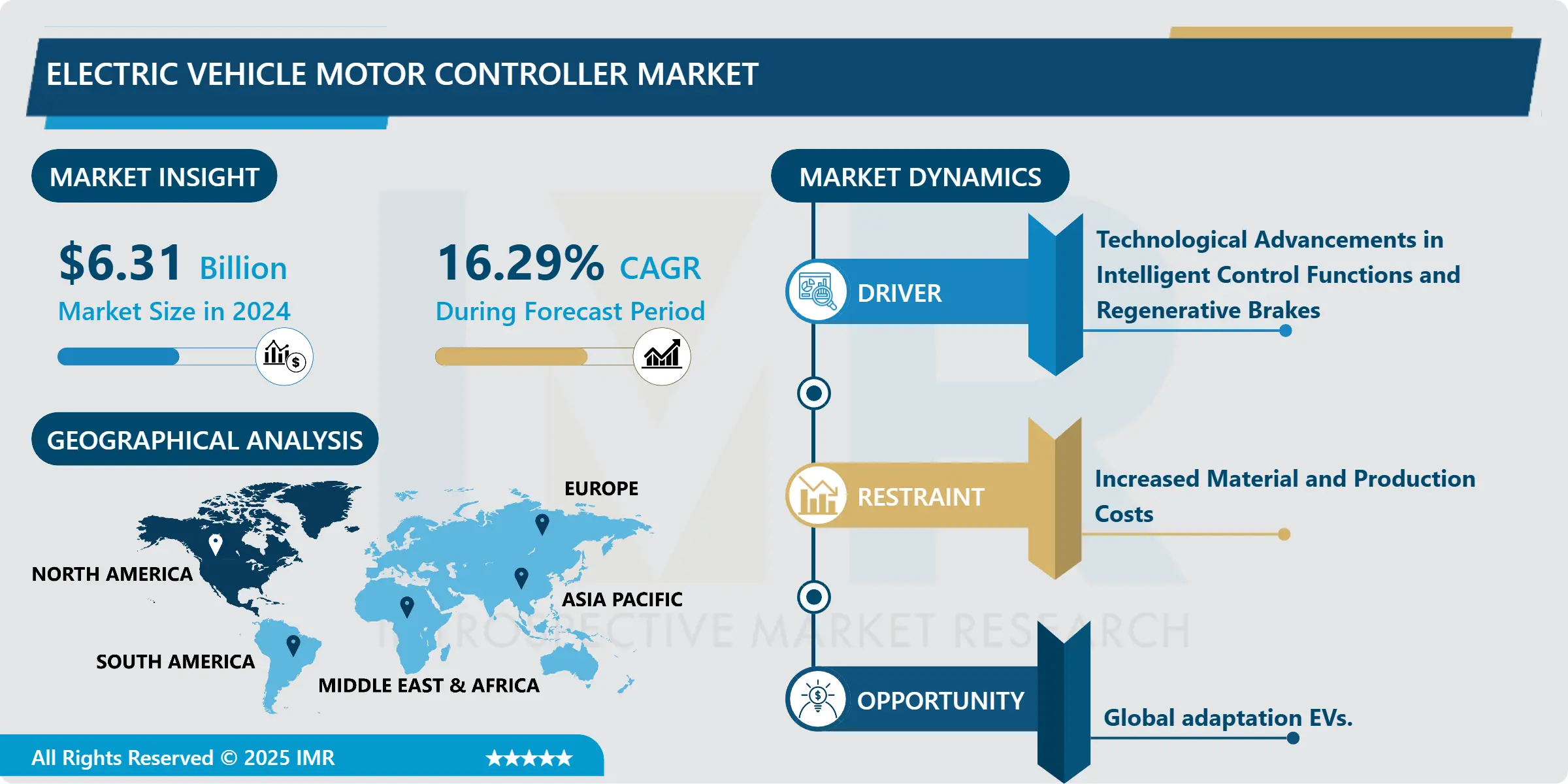
The electric vehicle motor controller is an electronic package that works in the same way as the carburetor of a conventional gasoline vehicle by monitoring the pace and acceleration of the vehicle. It is located between the motor and the batteries. The controller regulates the flow of energy from the battery and transforms direct current to alternating current (exclusively for AC motors). The EVM controller will overcome the carburetor by switching the rotation of the motor, and hence the vehicle will move backward. Furthermore, once the brake is applied, it changes the motor into a generator, and the kinetic energy associated with movement is used to charge the battery.
Publication Date: 01/11/2025
Pages: 400
Publisher: IMR
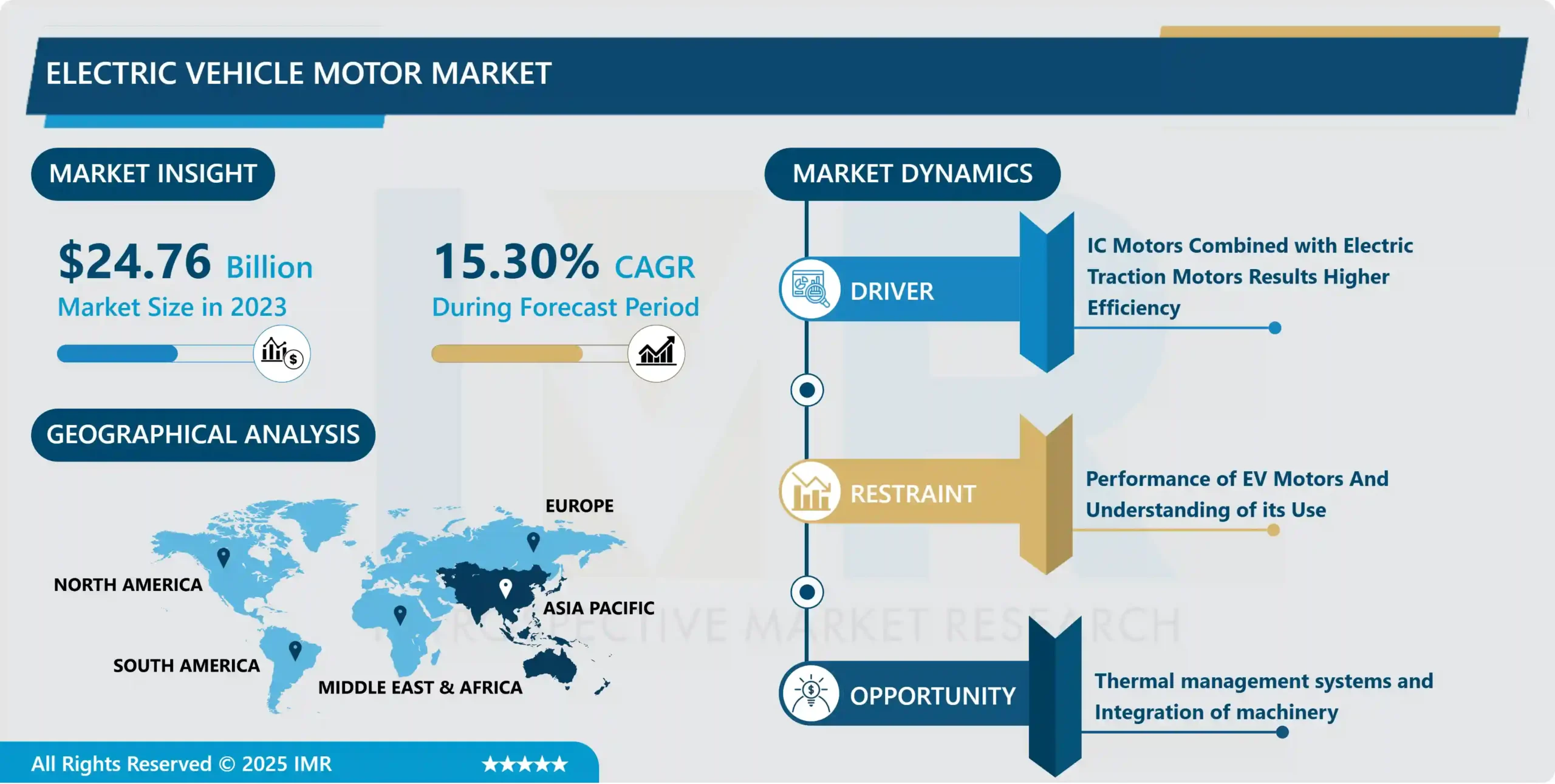
Three main subsystems make up an electric vehicle, the electric propulsion subsystem, the auxiliary subsystem, and the energy supply subsystem.
Publication Date: 01/11/2025
Pages: 400
Publisher: IMR
Reports categories
Why Buy From Us?
- ✓ Verified Global Reports
- ✓ Fast Delivery
- ✓ Bilingual Reports (JP/EN)
- ✓ Affordable Pricing
- ✓ Custom Research Options
Need Help to Buy?
We’ve prepared a simple step-by-step guide to help you complete your purchase easily. Click below to visit our buying guide and follow the instructions.
View Buying Guide